
Project contribution report
Towers of the Crysenith
A gothic-chibi tower-defense and idle-sanctuary game created as a two-week, approximately $100 production experiment. The completed prototype includes hub defense, leader summoning, tower progression, collections, illustrated storytelling, and a 100-stage campaign across ten regions.
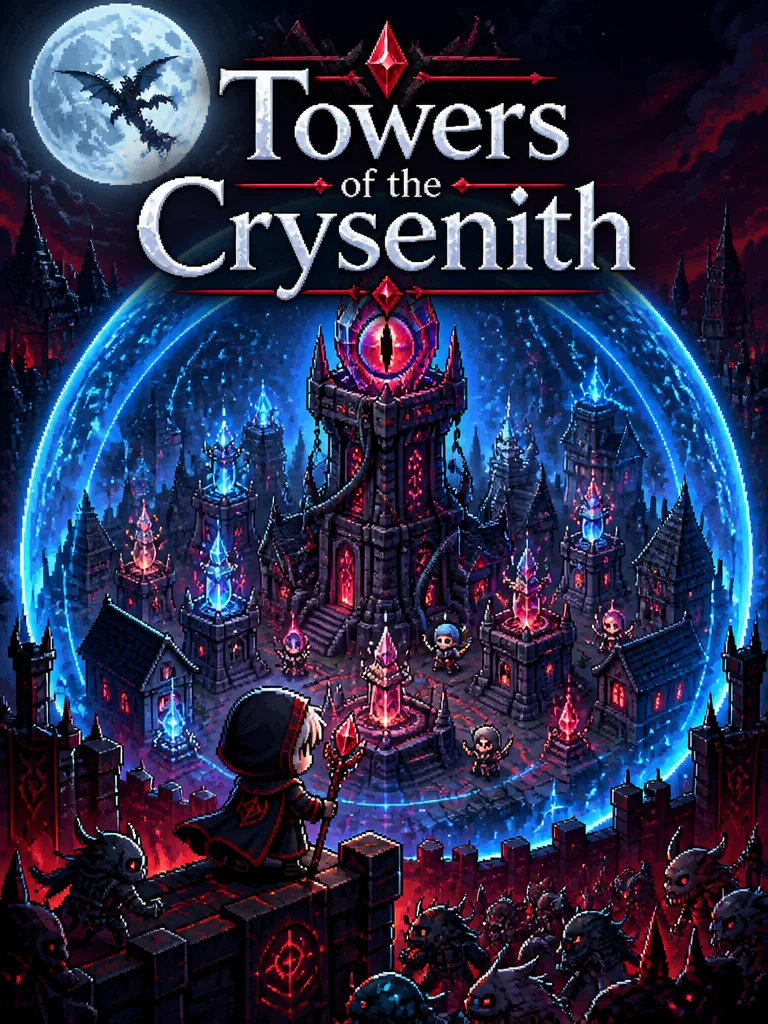
A gothic-chibi tower-defense and idle-sanctuary game created as a two-week, approximately $100 production experiment. The completed prototype includes hub defense, leader summoning, tower progression, collections, illustrated storytelling, and a 100-stage campaign across ten regions.
Towers of the Crysenith is a gothic-chibi tower-defense and idle-sanctuary game centered on a settlement protected by a glowing rune barrier.
The player defends the sanctuary, selects two gate towers for idle defense, earns hero experience and Oathcrumbs, uses Oathcakes at the ritual circle, and summons Crysenithian clan leaders.
Campaign play moves through stage selection, tower placement and mid-battle leveling, five-wave encounters, ten regions, one hundred stages, and mini-boss and boss systems before returning the player to the sanctuary.
The project was completed as an AI-assisted research and development experiment focused on rapid design communication, scope discipline, generated-build evaluation, and human direction of automated implementation.
- Towers of the Crysenith was developed under Datura Mist Entertainment LLC as an AI-assisted game research and development experiment.
- The prototype was produced in approximately two weeks with an approximately $100 Tesana-usage constraint.
- A web prototype was published through Tesana, and a Windows x64 build was exported using Godot 4.6.1 stable.
- The supplied Windows export was statically inspected without running game.exe. Its packed-project structure supports the documented scene, runtime-script, campaign, leader, asset, and audio inventories.
- The public record is limited to completed-prototype, production-direction, and research evidence.
- Game Designer, Creative Director & AI Prototyping Researcher
- Defined the project concept and core game loop.
- Defined progression, campaign structure, sanctuary flow, collection systems, and leader-summoning requirements.
- Directed worldbuilding, visual identity, gothic-chibi presentation, and illustrated-story requirements.
- Set the approximately two-week production scope and approximately $100 Tesana-usage constraint.
- Established feature requirements and acceptance criteria.
- Manually played, reviewed, redirected, tested, prioritized, and iterated on generated builds.
- Evaluated the generated Godot implementation and exported prototype as an AI-prototyping research exercise.
- Defined the concept, systems, worldbuilding, progression, art direction, scope, budget, feature requirements, and acceptance criteria.
- Directed, manually played, tested, evaluated, redirected, prioritized, and iterated on Tesana-generated builds.
- Evaluated whether the generated implementation communicated the intended game loop and presentation within the defined production constraint.
- The verified loop connects sanctuary defense, rewards, ritual summoning, leader and tower collections, stage selection, tower placement and leveling, five-wave battles, victory or defeat, and return-to-hub continuity.
Sanctuary and Idle Defense
Contribution
- Defined the rune-barrier sanctuary as both a narrative safe space and functional progression hub.
- Defined selection of two gate towers for automatic defense against weak shadows.
- Connected idle defense to hero-experience and Oathcrumb rewards.
- Connected sanctuary progression to the wider campaign, summoning, and collection loop.
- Preserved return-to-hub continuity between activities.
Result
Established the sanctuary as the prototype's persistent home, progression anchor, and idle-defense activity.
Campaign and Battle Structure
Contribution
- Defined a 100-stage campaign across 10 visual regions.
- Defined five-wave stage encounters, tower placement, and mid-battle tower leveling.
- Defined three standard enemy archetypes plus mini-boss and boss systems.
- Directed stage unlocking, victory and defeat flows, and deeper campaign progression.
- The export contains 21 named tower art assets; this inventory is not presented as proof that every asset is playable.
Result
Produced a complete campaign framework connecting stage selection, escalating encounters, tower progression, and return to the sanctuary.
Leaders, Summoning, and Collections
Contribution
- Defined 13 Crysenithian clan leaders and ritual-circle summoning using Oathcakes.
- Defined hero experience and rapport or bonding progression.
- Defined hero collection, tower collection, hero-detail, and collection-book presentation.
- Directed rarity-driven portrait presentation using four exported portrait variants per leader.
- The embedded storefront advertises Common, Rare, and Unique summoning grades; Mythic availability is not claimed.
Result
Created a collection and progression layer that connects leader identity, summoning, rapport, and player-facing archive screens.
Story and Presentation
Contribution
- Directed six illustrated opening-story panels with crossfading narrative transitions.
- Framed the opening journey through caravan gathering, mountain travel, a ford crossing, shadows rising from reeds, the corrupted river, and sanctuary arrival.
- Directed a gothic frozen visual language and dedicated UI-kit presentation.
- Included generated music, sound effects, victory and defeat jingles, settings, and tutorial support.
Result
Established a coherent story and presentation package that introduces the sanctuary, threat, journey, and game interface.
What the Export Contained
Contribution
- 502 packed project files
- 37 compiled Godot runtime scripts
- 9 principal scenes
- 166 generated assets
- 10 campaign regions
- 13 leader sets
- 21 named tower assets
- 6 illustrated opening scenes
- 11 audio files
Result
The static export evidence confirms a substantial generated prototype package while preserving the distinction between human design direction and automated implementation.
- 01Concept and research objective
- 02Scope and budget definition
- 03Game-system requirements
- 04Tesana-generated build
- 05Manual play and review
- 06Defect and direction evaluation
- 07Focused redirection
- 08Iteration and acceptance
- 09Web publication and Windows export
- Ruin defined the project concept, game loop, progression structure, worldbuilding, art direction, scope, budget, feature requirements, and acceptance criteria.
- Tesana generated the underlying Godot code, scenes, visual assets, audio, and portions of the presentation.
- Generated builds were manually played, reviewed, tested, redirected, prioritized, and iterated rather than accepted as a one-prompt or unchanged first result.
- The production experiment continued until the prototype reached a coherent playable state within the defined schedule and Tesana-usage constraint.
- The project used solo human design direction supported by significant AI-generated implementation through Tesana.
- Ruin retained responsibility for design intent, production scope, acceptance criteria, manual review, correction priorities, and the decision to accept the completed playable prototype.
- Tesana generated the Godot implementation, scenes, visual assets, audio, and portions of the presentation.
Problem
The research experiment needed to communicate a coherent game concept and progression loop within an approximately two-week schedule and approximately $100 Tesana-usage constraint.
Solution
Defined a focused sanctuary, summoning, collection, and campaign structure; prioritized feature requirements; and used explicit acceptance criteria to control scope.
Outcome
The prototype reached a completed playable state with a connected hub, campaign, battle, collection, story, and presentation package.
Problem
AI-generated implementation required human evaluation to determine whether each build matched the intended systems, worldbuilding, presentation, and player flow.
Solution
Manually played, reviewed, tested, redirected, prioritized, and iterated on the generated builds instead of accepting the first output unchanged.
Outcome
Successive revisions produced a more coherent prototype while keeping authorship and implementation boundaries explicit.
Testing and review
- Manually played, reviewed, and tested generated builds throughout the approximately two-week production experiment.
- Evaluated the connected sanctuary, summoning, collections, stage-selection, battle, progression, victory, and defeat flows against the defined acceptance criteria.
- Reviewed generated presentation, story, interface, audio, and visual consistency as part of build acceptance.
- Statically inspected the supplied Windows export without running game.exe.
- Confirmed that the export identifies Godot 4.6.1 stable, Windows x64 output, 502 packed files, 37 compiled runtime scripts, and 9 principal scenes.
Iteration
- Redirected generated builds when implementation or presentation did not match the intended concept.
- Prioritized corrections and feature acceptance within the schedule and Tesana-usage constraint.
- Continued manual review until the prototype reached a coherent playable state.
- Did not treat the first generated output as final or unchanged.
Towers of the Crysenith exists as a completed playable prototype with a published web version and an exported Windows x64 build.
- The prototype fulfilled its original research objective by producing a coherent game concept, campaign structure, progression loop, collection systems, visual identity, and presentation package within the defined two-week and approximately $100 constraint.
- Rapid design communication
- Scope discipline
- AI-platform evaluation
- Generated-build QA
- Pitch and concept prototyping
- Human direction of automated implementation
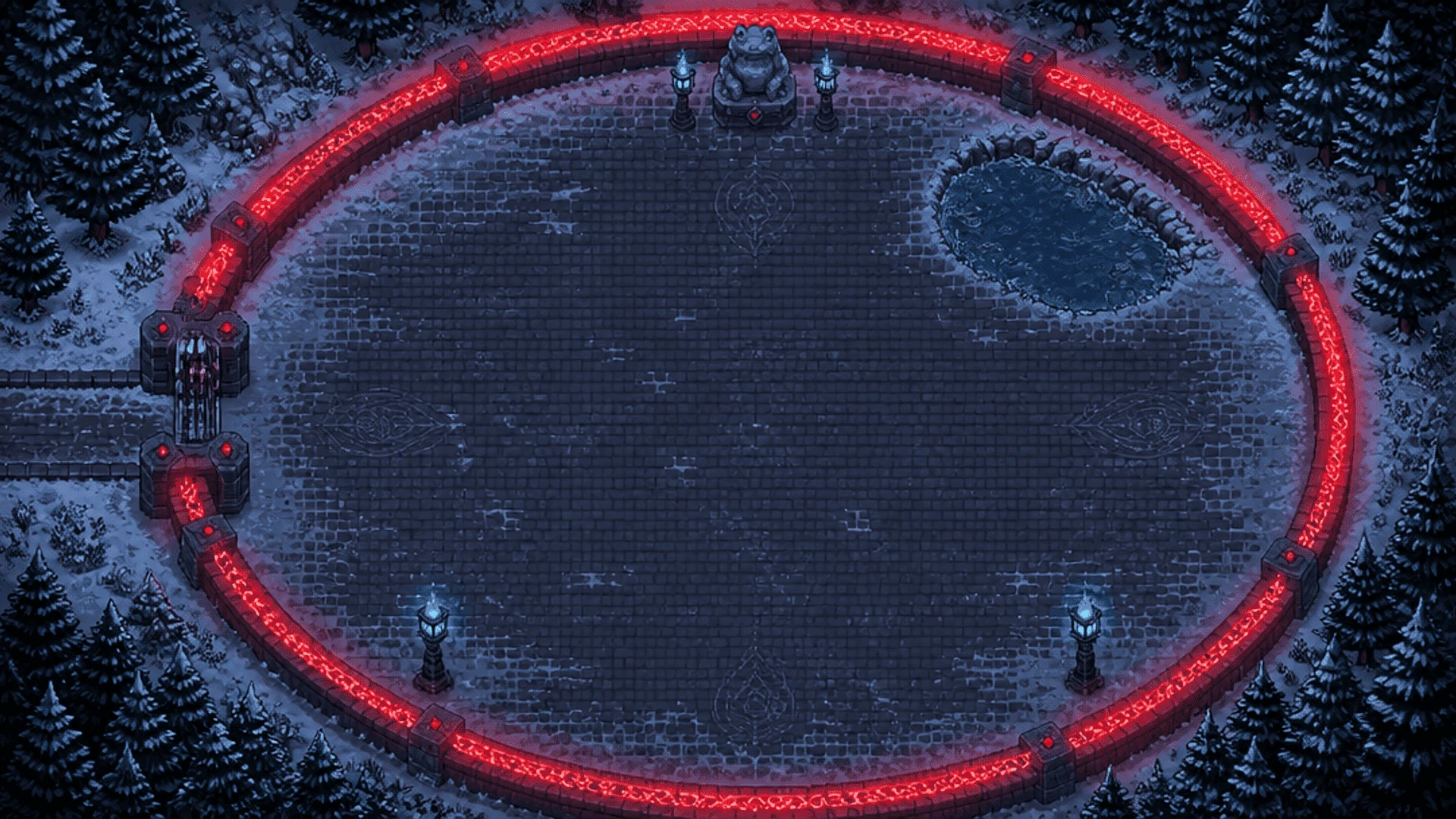
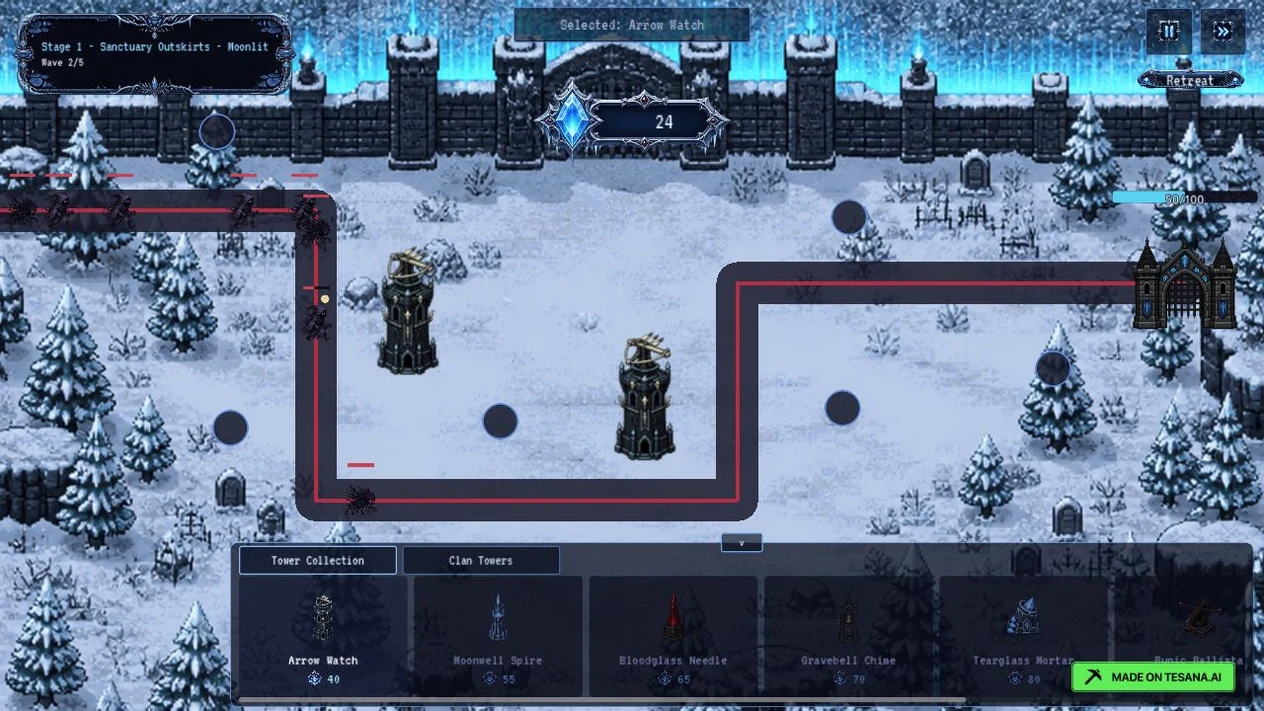
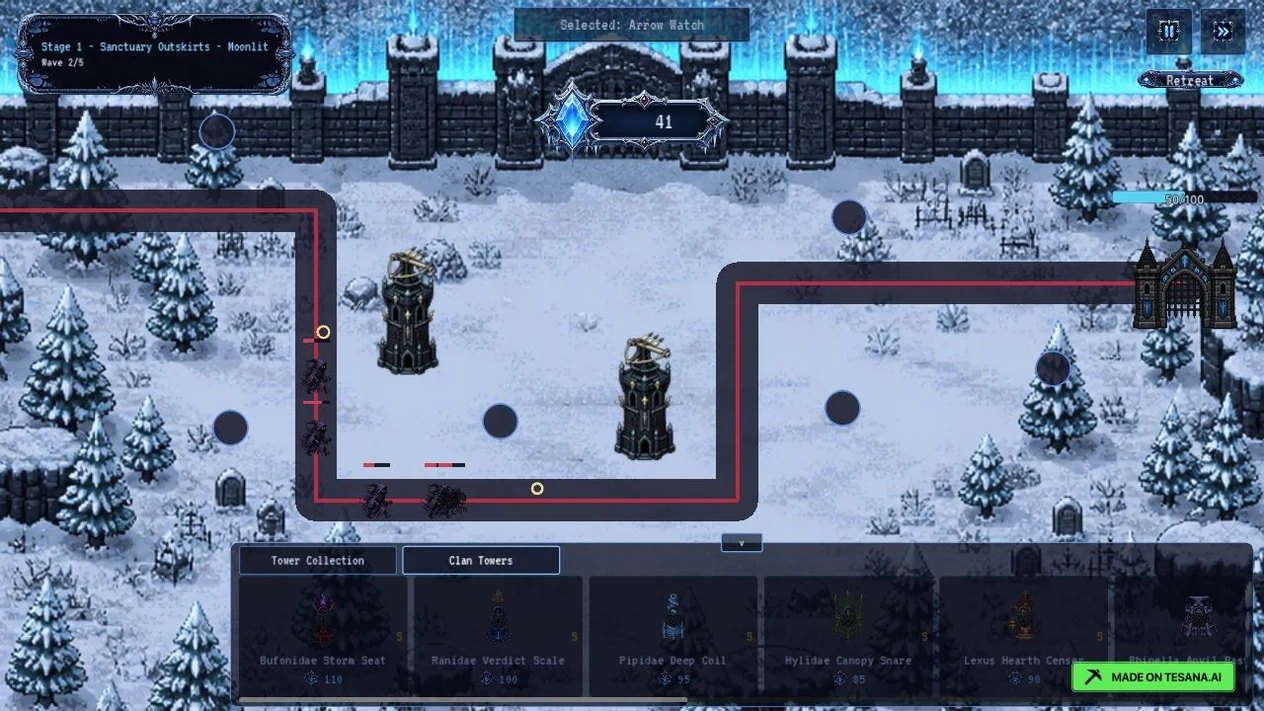

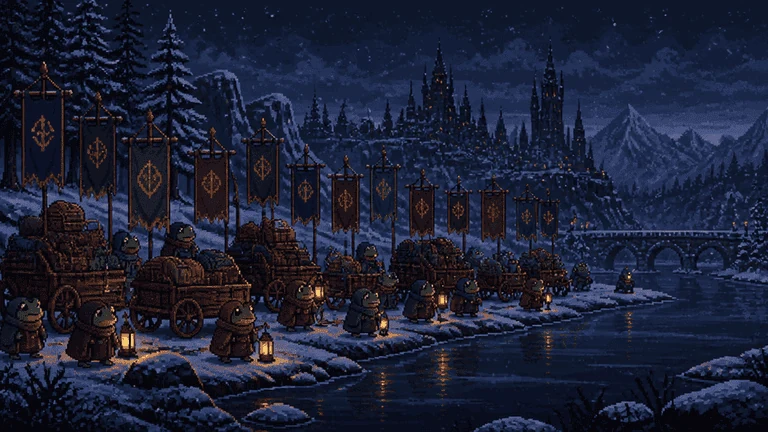
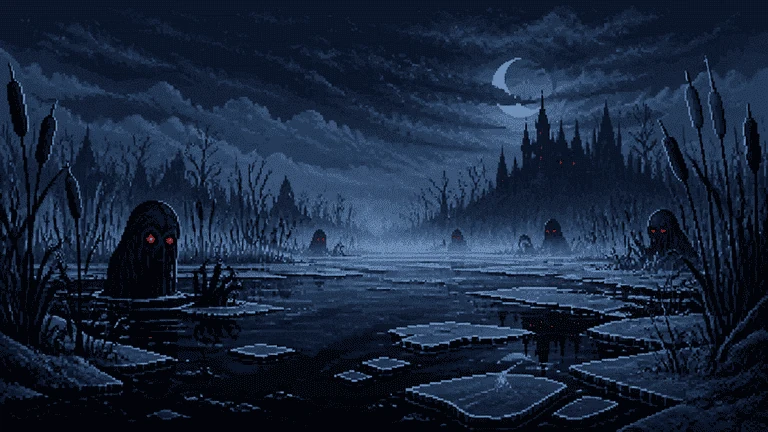
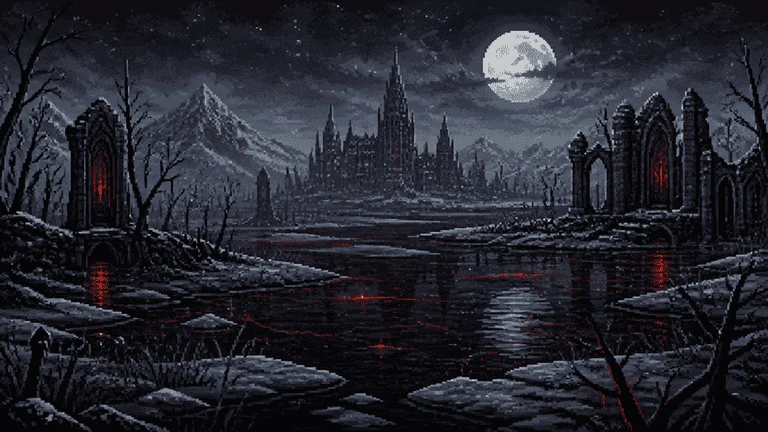
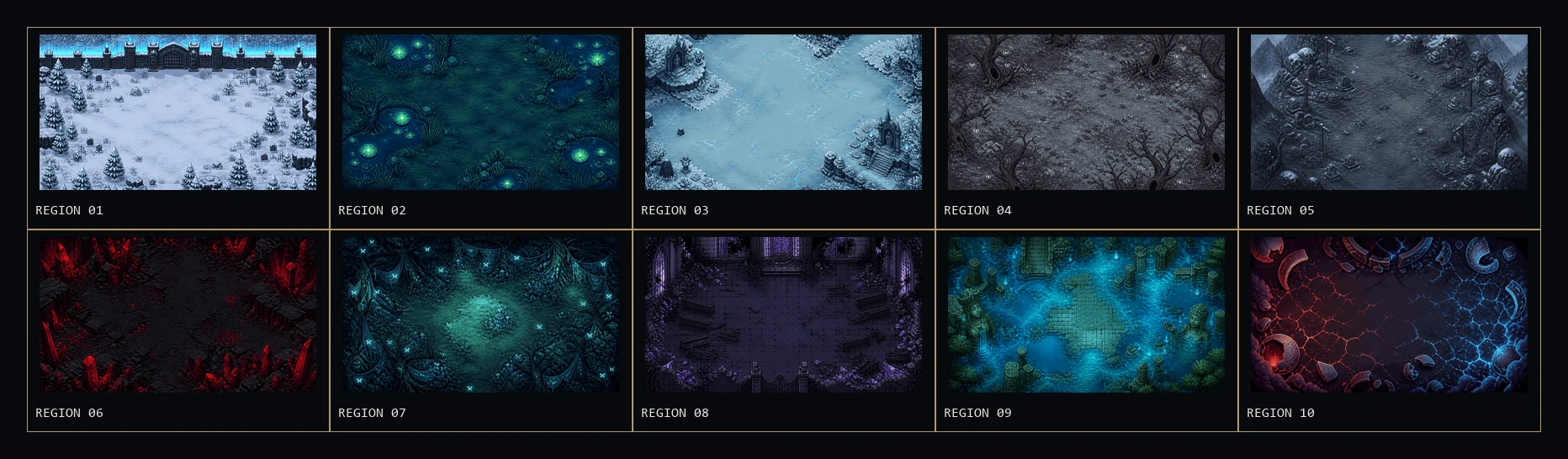
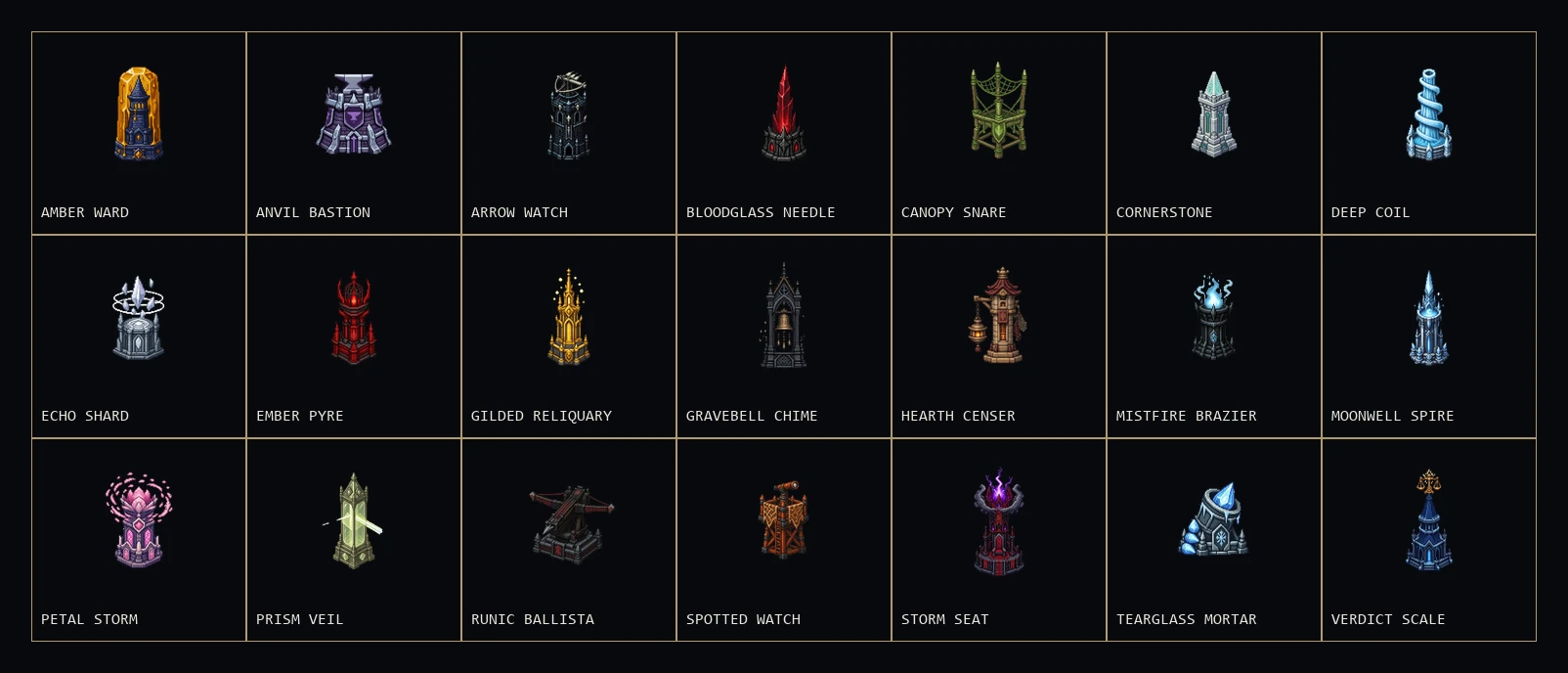
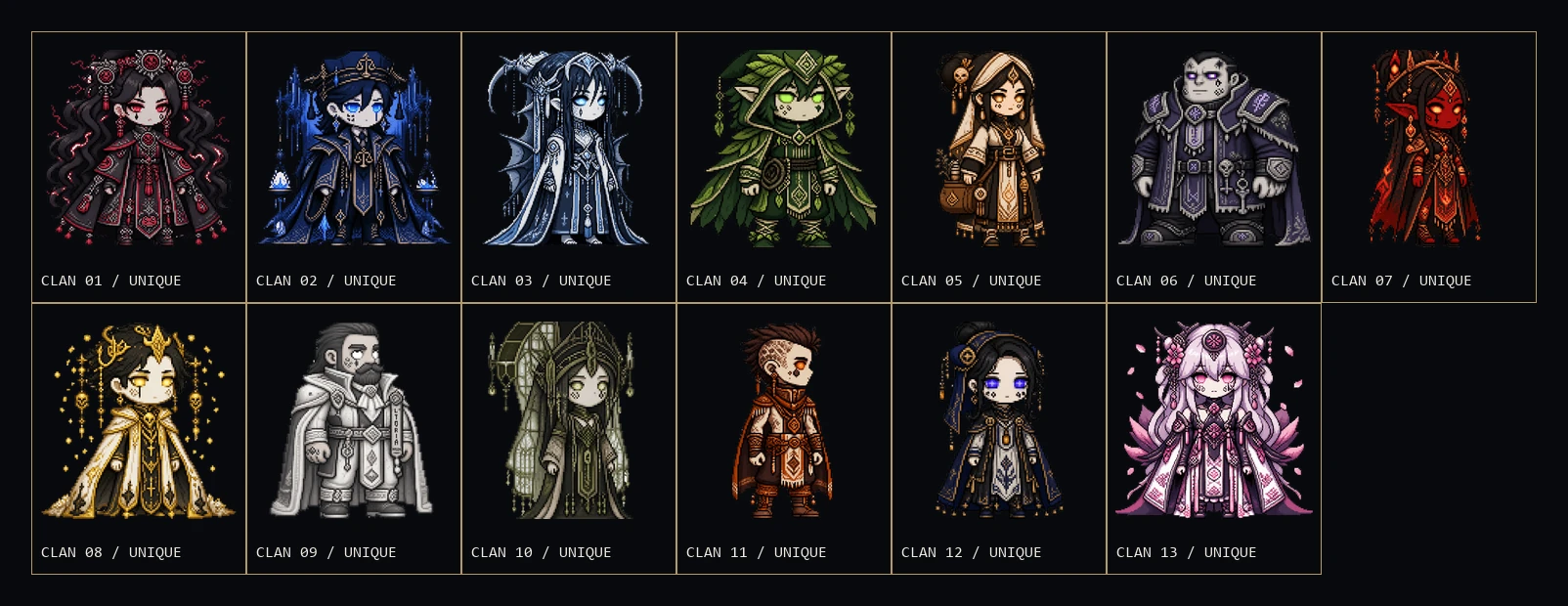
This media set was selected from the user-supplied Godot export and locally captured playable web build. Untouched captures and recovered source-resolution texture payloads are retained alongside the web derivatives. Every public caption preserves the disclosure that the implementation and visual assets were generated through Tesana under Ruin's design direction, testing, and iterative review.
Related public links
- Development and export technology
- Tesana · Godot 4.6.1 stable · Web browser · Windows x64 export · Static packed-project inspection
- Asset and integration sources
- Tesana generated 166 assets: 113 sprite and item assets, 21 UI assets, 21 background and story images, and 11 music and sound files. The exported visual inventory includes 21 named tower art assets, 13 clan headquarters, 6 sanctuary buildings, 52 leader portrait variants, 10 stage regions, and 6 story panels. These are generated-output counts, not claims of manual asset authorship.
- AI-assisted research and development disclosure
- Towers of the Crysenith was developed as an AI-assisted research and development experiment using Tesana. Ruin defined the concept, game loop, progression structure, worldbuilding, art direction, scope, budget, feature requirements, and acceptance criteria. Tesana generated the underlying Godot code, scenes, visual assets, audio, and portions of the presentation. Ruin manually played, reviewed, redirected, tested, prioritized, and iterated on the generated builds until the prototype reached its completed playable state.
- Strengthened rapid design communication for AI-assisted prototyping.
- Reinforced scope discipline under a short schedule and fixed usage constraint.
- Developed a clearer method for evaluating AI-generated game implementations against explicit acceptance criteria.
- Improved generated-build QA through repeated play, review, redirection, and prioritization.
- Clarified the importance of separating human design direction from generated code and asset production.
- Demonstrated how a prototype can communicate campaign, progression, collection, story, and visual direction without being presented as a conventional commercial shipped title.
Towers of the Crysenith demonstrates Ruin's ability to direct and validate an AI-assisted game prototype across concept, systems, worldbuilding, scope, generated-build QA, and production acceptance.
Hiring relevance
- Rapid design communication
- Game and systems design
- AI-platform evaluation
- Generated-build QA
- Pitch and concept prototyping
- Creative direction
- Human direction of automated implementation